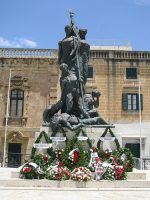
1798
French & British Colonial Period
Napoleon Takes Malta
Napoleon Bonaparte captured Malta in 1798 during his Egyptian campaign, ending the Knights' rule after 268 years.
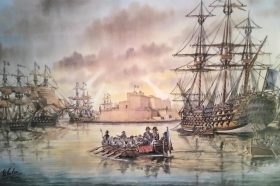
1798 - 1800
French & British Colonial Period
Maltese Rebellion Against French
The Maltese people rebelled against French rule, forcing the French to retreat into Fort Saint Elmo. The population asked Great Britain for help.
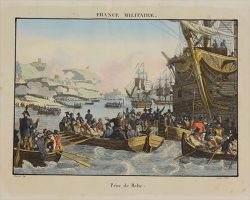
1800 - 1964
French & British Colonial Period
Malta in the British Empire
In 1800, Malta voluntarily became part of the British Empire as a protectorate. Under the terms of the 1802 Treaty of Amiens with France, Britain was supposed to evacuate the island, but failed to keep this obligation – one of several mutual cases of non-adherence to the treaty, which eventually led to its collapse and the resumption of war between the two countries.
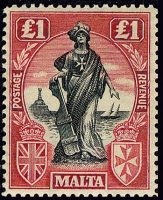
1814
French & British Colonial Period
Treaty of Paris — British Colony
Through the Treaty of Paris in 1814, Malta officially became part of the British Empire — valued primarily for its strategic Mediterranean position
1919
French & British Colonial Period
Interwar period
In 1919, the Sette Giugno (7 June) riots over the excessive price of bread led to greater autonomy for the locals during the 1920s. After Filippo Sciberras had convened a National Assembly, in 1921 self-government was granted under British rule. Malta obtained a bicameral parliament with a Senate (later abolished in 1949) and an elected Legislative Assembly. Joseph Howard was named Prime Minister. In 1923 the Innu Malti was played for the first time in public, and the same year Francisco Buhagiar became Prime Minister, followed in 1924 by Sir Ugo Pasquale Mifsud and in 1927 by Sir Gerald Strickland.