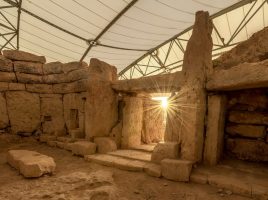
22000 - 18000 BC
Ancient/Prehistoric Malta
Ice Age Malta
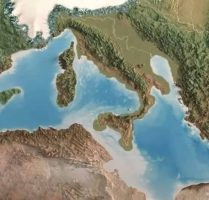
During the Last Glacial Maximum (LGM) roughly 20,000 to 22,000 years ago, Malta, Gozo, and Sicily were physically joined by a massive limestone land bridge. This corridor emerged because immense polar ice caps locked up a massive portion of the Earth's water, causing global sea levels to plummet 130 meters below modern levels.
6400 BC
Ancient/Prehistoric Malta
Mesolithic (6500–5400 BC)
Malta has been inhabited since 6400 BC initially by Mesolithic hunter-gatherers, who were replaced by Neolithic farmers from Sicily around 5400 BC. These farmers practised mixed farming after clearing most of the existing conifer forest that dominated the islands, but their agricultural methods degraded the soil until the islands became uninhabitable.

5900 BC
Ancient/Prehistoric Malta
First Settlers Arrive
The story of the Maltese islands begins with the arrival of the first settlers around 5900 BC, who likely crossed from Sicily.
5400 - 2350 BC
Ancient/Prehistoric Malta
Neolithic (5400 BC–2350 BC)
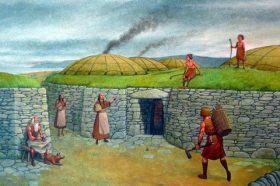
Neolithic Farmers from Sicily arrived on Malta by around 5400 BC, replacing the pre-existing hunter-gatherer population.

3600 - 2500 BC
Ancient/Prehistoric Malta
Temple Period Begins
Between 3600 and 2500 BC, temple builders created extraordinary megalithic structures across Malta and Gozo, including Ħaġar Qim, Mnajdra, and Ġgantija, which predate Egypt's pyramids and Stonehenge.